No Label, No Problem: What Odajima Hitoshi Teaches Every Bedroom Producer About Going Your Own Way
Let's be honest. For a long time, the music industry ran on a pretty simple transaction: you had talent, they had money and distribution, and somewhere in the middle you signed away a chunk of your creative soul in exchange for a shot at the charts. That deal made sense when pressing vinyl and getting onto radio shelves required serious infrastructure. But that world is gone. And nobody illustrates the new reality quite like Odajima Hitoshi.
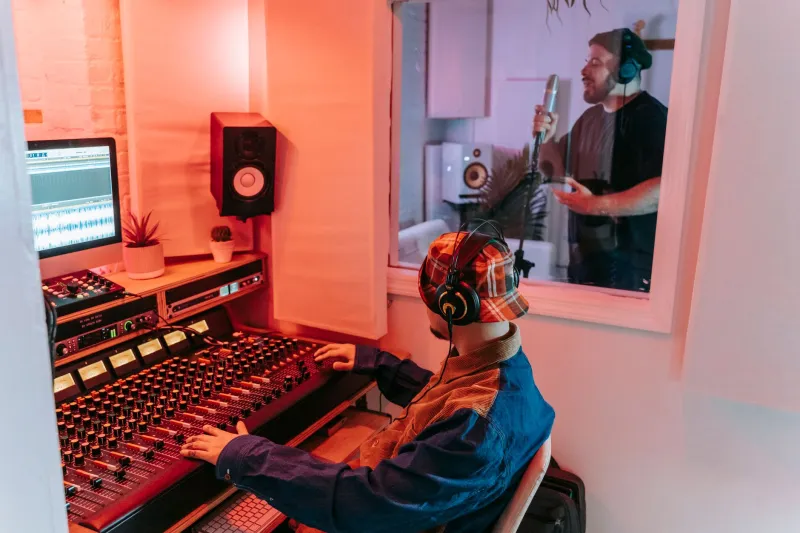
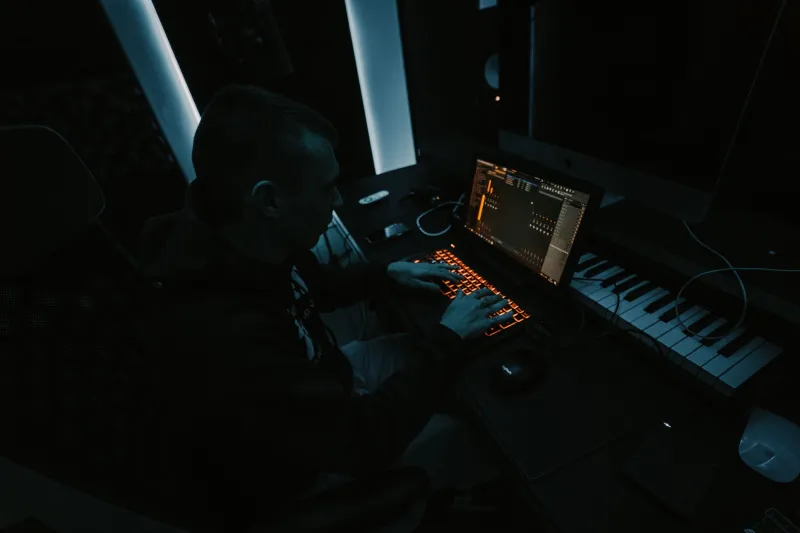
His path didn't run through a major label boardroom. It ran through a small, carefully arranged workspace where every decision — from the gear on the desk to the moment a track gets released — stayed in his hands. For the growing community of bedroom producers across America who are building studios in spare bedrooms, converted garages, and college dorm rooms, that's not just inspiring. It's a blueprint.
The Setup Doesn't Have to Be Fancy
One of the biggest myths in music production is that great sound requires great spending. Odajima Hitoshi's work quietly dismantles that idea every time someone presses play. The textures in his productions feel considered and intentional rather than expensive and overproduced. There's a restraint to the sonic palette — a preference for space and breathing room over layers stacked to the ceiling.
American producers who've studied his output often point to the same thing: he seems to understand that what you leave out matters as much as what you put in. That's a lesson you can apply whether you're running a full Pro Tools rig or working off a laptop with a modest audio interface and a decent pair of headphones. The philosophy scales down beautifully.
If you're building a home setup right now, take that as permission to start with what you have. The gear ceiling is much lower than the industry used to tell you.
Workflow as a Creative Choice
Beyond the tools, there's the question of how Odajima Hitoshi actually works — and this is where things get genuinely instructive. Independent artists who sustain long careers tend to develop workflows that protect their creative energy rather than drain it. They batch tasks, they set their own timelines, and they resist the pressure to release on someone else's schedule.
Hitoshi's approach reflects this kind of intentional pacing. His releases don't feel rushed or reactive. There's a coherence to the body of work that suggests someone who's thinking about the long game — not just chasing a trending sound or scrambling to capitalize on a cultural moment. In an era where the algorithm rewards constant output, that kind of patience is almost radical.
For bedroom producers who feel the constant pressure to drop something new every week just to stay visible, this is a genuinely countercultural message: depth over frequency. Build something worth sitting with.
Skipping the Gatekeepers
The distribution landscape has shifted so dramatically in the last decade that it's almost hard to remember how locked-down it used to be. Platforms like DistroKid, TuneCore, and Bandcamp have handed independent artists the keys to global reach without requiring anyone's permission. Odajima Hitoshi's international audience — which includes a substantial and enthusiastic following in the US — didn't arrive because a label decided to push him into Western markets. It arrived because the music was findable, and once people found it, they stayed.
That's the distribution lesson right there. You don't need a label to get your music into American ears. You need a release strategy, a little patience, and music that gives people a reason to come back. Hitoshi's catalog does exactly that — each release feels like part of a larger conversation rather than a standalone product drop.
Bedroom producers can replicate this approach. Build a catalog that rewards exploration. Make it easy for new listeners to fall down the rabbit hole. Think of your Spotify artist page or your Bandcamp profile less like a storefront and more like a world someone can actually inhabit for a while.
Maintaining Creative Control Without Losing Your Mind
Here's the part that doesn't get talked about enough: going independent is liberating, but it's also a lot of work. When you're the artist, the producer, the mixing engineer, the A&R department, and the marketing team all at once, burnout is a real risk. The artists who make independence sustainable are the ones who figure out which hats they actually need to wear and which ones they can hand off or automate.
Odajima Hitoshi's career suggests someone who has figured out where to focus. The creative decisions stay close. The business logistics — distribution, metadata, streaming setup — get handled efficiently and then set aside. That kind of compartmentalization is a skill, and it's one that American DIY artists would do well to develop deliberately rather than by accident.
If you're producing out of your bedroom right now, think about where your energy actually goes. Are you spending three hours on a creative decision that should take twenty minutes? Are you avoiding the business side until it becomes a crisis? Hitoshi's output has a calm, focused quality that suggests someone who's made peace with the full scope of what independent artistry requires.
What the American DIY Scene Can Take Away
The bedroom producer movement in America is enormous right now. From hyperpop kids in suburban basements to lo-fi beatmakers in Brooklyn apartments, there are more independent artists making serious music outside the traditional system than at any point in history. And a lot of them are hungry for models that prove it's possible to do this at a genuinely high level without selling out or signing over.
Odajima Hitoshi is one of those models. Not because he's chasing the same sounds or operating in the same market, but because the underlying principles translate perfectly. Stay close to your creative instincts. Build a body of work that has its own internal logic. Use the tools that are available to get your music into the world on your own terms. Trust that the right listeners will find you.
None of that requires a record deal. It requires commitment, consistency, and a willingness to play the long game.
Here at Hitoshi World, we've watched the American audience for Odajima Hitoshi's work grow steadily and organically — exactly the way he seems to prefer it. And honestly, watching bedroom producers across the country take notes on how he operates feels like exactly the kind of cross-cultural exchange this site exists to celebrate.
The gate is open. You just have to decide to walk through it.